
Euro
The euro is the common currency of the countries in the euro area. Its international code is EUR, its symbol is €, and one euro is divided into 100 cents.
It was introduced as an accounting unit and currency for electronic payments in 1999. Euro banknotes and coins entered circulation in 2002.
Last reviewed:
Basic facts
- Name:euro.
- Code:EUR.
- Symbol:
€. - Subdivision:100 cents.
- Monetary policy:the Eurosystem, led by the European Central Bank.
- Cash in circulation since:2002.
Since January 1, 2026, after Bulgaria joined, the euro area has included 21 European Union countries. Some microstates also use the euro under formal agreements. Other territories use it without belonging to the euro area.
The number of participating countries can change. The official European Central Bank or European Union list provides the current reference.
A shared currency
The euro does not belong to one country. Participating countries share a monetary unit and a common monetary policy.
The European Central Bank and national central banks form the Eurosystem. The ECB authorizes banknote issuance. National central banks take part in production and circulation.
Coins have a common side and a national side. Although the national designs differ, all legal-tender euro coins can be used throughout the euro area.
From an accounting currency to cash
The euro began on January 1, 1999, as a currency for accounting, financial markets, and electronic payments. Conversion rates for participating national currencies were fixed irrevocably.
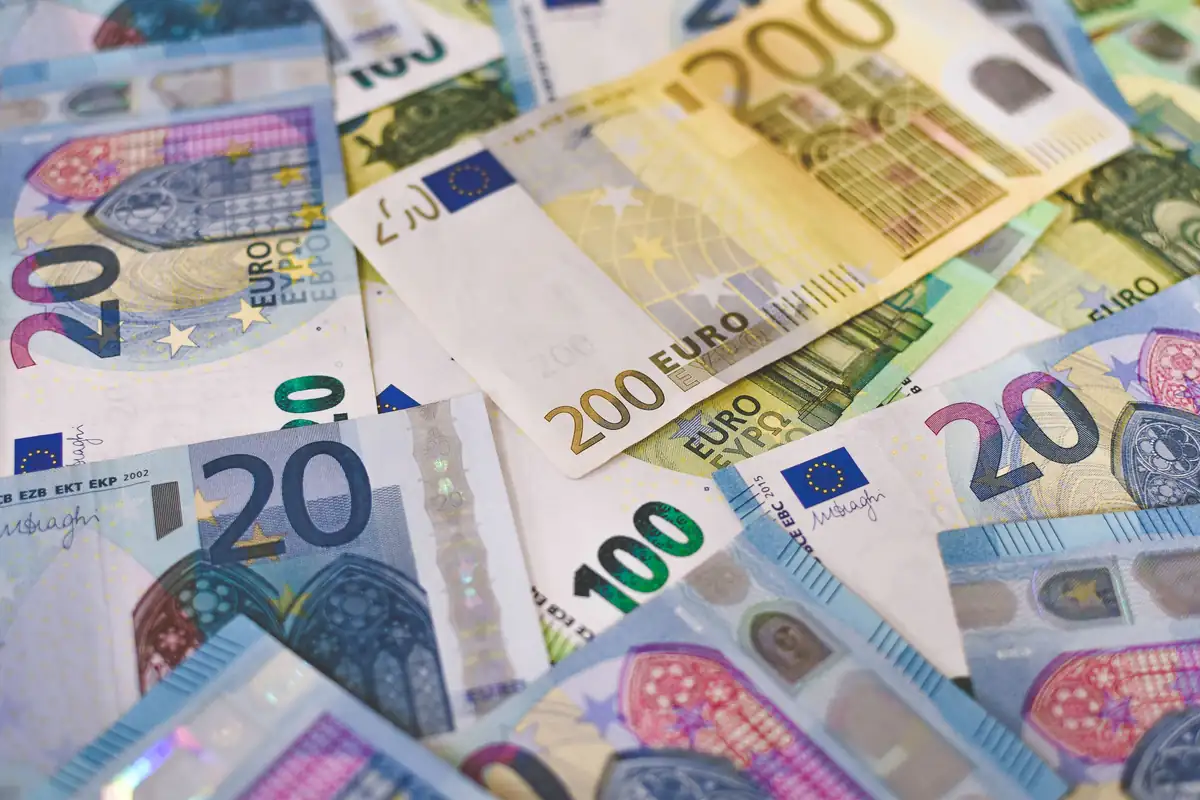
Euro banknotes and coins entered circulation on January 1, 2002. During transition periods, national currencies were withdrawn under each country's schedule.
This distinction explains why some euro series begin in 1999, although the public did not use euro cash until 2002.
Banknotes and coins
There are two series of euro banknotes. The second is called the Europa series and is the only series still being produced. First-series banknotes retain their value, although some denominations are no longer issued.
The European Central Bank is working on a future banknote series. Designs and schedules can change. Official information provides the current status.
Reference exchange rates
The ECB publishes euro reference exchange rates against several currencies. They are generally updated on business days and are intended for information.
The ECB advises against using them directly as transaction prices. A bank or payment provider can apply another rate and add costs.
ECB rates often use the euro as the base currency. For example, USD per EUR shows how many U.S. dollars equal one euro. Cartonindex reverses the relationship when needed.
How Cartonindex uses EUR
The site's fictional references are normally priced in U.S. dollars. Cartonindex uses a public EUR/USD or USD/EUR series and applies the correct direction to calculate the euro price.
Available comparisons:
The comparison identifies whether it uses the European Central Bank reference rate or another source. The value can exclude conversion fees and margins.
What makes the euro different
The euro provides a comparison between a shared currency and national currencies controlled by one central bank. It also shows how one monetary policy can apply to economies with different prices, wages, and production structures.
A Cartonindex comparison in euros does not describe the economic position of every euro-area country. It only converts the selected price into EUR.
Continue reading
- What does a central bank do?.
- What is an exchange rate?.
- What is purchasing power?.
- History: How was the euro created?.