Venezuelan bolívar
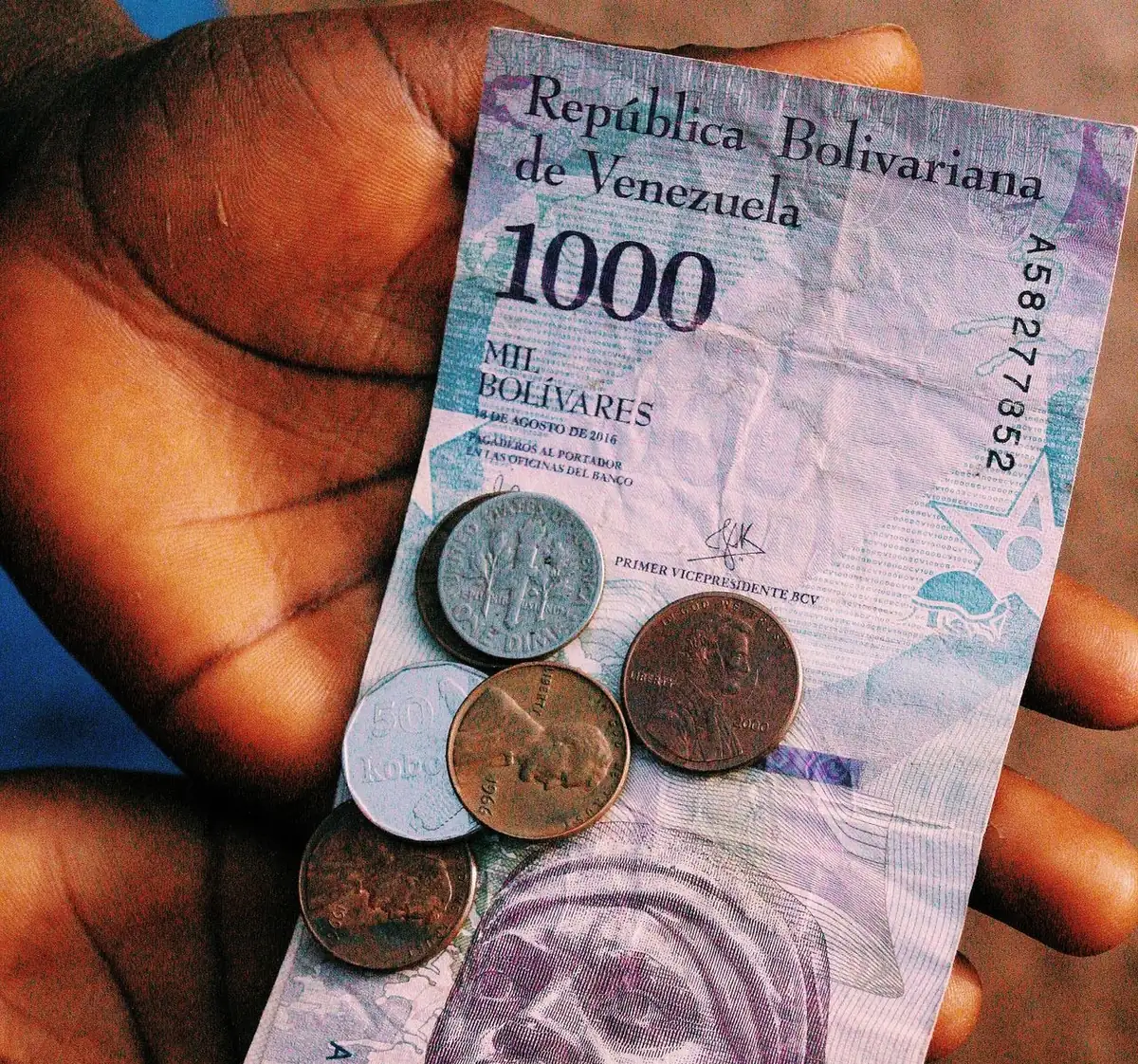
The bolívar is Venezuela's monetary unit. It is named after Simón Bolívar and became the national monetary unit in 1879.
It has undergone several redenominations in recent decades. These changes removed zeros from amounts and replaced earlier currency series. Every historical value must therefore identify the date and unit precisely.
Last reviewed:
Basic facts
- Name:bolívar.
- Country:Venezuela.
- Monetary authority:Banco Central de Venezuela.
- Subdivision:100 céntimos per bolívar.
- Code shown by Cartonindex:VES, based on the selected data series.
The code requires special care. Different institutions and databases can use VES, VED, or other descriptions. Each comparison preserves the source code and explains the unit. The series are not automatically compatible.
Why several versions of the bolívar exist
A currency redenomination replaces one scale with another. Prices, wages, deposits, and obligations are divided by a legal ratio so they can be stated with fewer digits.
Venezuela completed three recent redenominations:
- In 2008, the bolívar fuerte removed three zeros from the earlier scale.
- In 2018, the bolívar soberano removed five more zeros.
- In 2021, a new monetary expression divided amounts by one million.
Removing zeros simplifies accounting and payments. It does not improve purchasing power by itself. Real purchasing power depends on later prices, income, production, and monetary stability.
Why the date is essential
A value of “1,000 bolívares” can represent entirely different economic amounts depending on the year and currency series.
A historical comparison must check:
- Which unit the source used on each date.
- Whether the provider adjusted the historical series retroactively.
- Which conversion factor it applied.
- Whether the series contains a break.
- Which code appears in the original data.
A chart that mixes units before and after a redenomination without adjustment would create artificial jumps and incorrect results.
Issuance and cash
The Banco Central de Venezuela publishes information about the currency system, banknotes, coins, and the history of the national unit.
Current denominations can change. The official currency catalog provides the current list.
Exchange rates and sources
The Venezuelan currency has been associated with exchange controls, different references, and methodology changes. “Bolívar exchange rate” can therefore be too vague.
Each comparison shows:
- Provider name.
- Series description.
- Currency code.
- Units per dollar or dollars per unit.
- Observation date.
- Update frequency.
- Notes about redenominations.
When an international source publishes a series that differs from the official reference, Cartonindex presents it as the selected reference. It does not present it as the only possible value.
How Cartonindex uses the bolívar
The index converts a U.S. dollar reference price into bolívares through the configured series. It then divides the fictional units by the resulting cost.
The current rate appears on the comparison pages:
- Venezuelan bolívar vs. Monopoly money.
- Venezuelan bolívar vs. Robux.
- Venezuelan bolívar vs. V-Bucks.
How to interpret large numbers
The number of bolívares needed to reach a reference can be very high. That number reflects the selected nominal scale and exchange rate. It does not directly compare Venezuelan living standards with those of another country.
A post-redenomination unit also cannot be added to or compared with an earlier unit without applying the correct conversion factor.
The bolívar's history shows two points. Removing zeros does not restore a currency's value by itself. Historical series also require complete metadata.
Continue reading
- What is redenomination?.
- Why do currencies remove zeros?.
- Official and parallel exchange rates.
- What does Cartonindex measure?.