
Ecuador, 2000: from the sucre to the dollar
On January 9, 2000, Ecuador announced that it would adopt the U.S. dollar as legal tender and replace the sucre.
The decision followed a severe banking crisis, recession, and rapid depreciation of the national currency. The conversion rate was fixed at 25,000 sucres per dollar.
The crisis of the late 1990s
Ecuador experienced several shocks during the second half of the 1990s:
- Effects of the El Niño weather event.
- Lower oil-related revenue.
- Fiscal weakness.
- Problems in the banking system.
- Lost confidence and capital outflows.
Several financial institutions closed or entered government control in 1999. The government froze part of bank deposits to prevent mass withdrawals.
The economy contracted, and the sucre lost value rapidly against the U.S. dollar.
An economy already partly dollarized
Before the official decision, many people and businesses already used dollars for saving, setting prices, or completing major transactions.
This process is called informal dollarization or currency substitution. It occurs when users prefer a foreign currency to protect asset value or reduce uncertainty.
The coexistence of currencies created difficulties for banks and borrowers. A person who earned sucres but owed dollars saw the debt burden grow each time the sucre depreciated.
The January 9 announcement
The government announced dollarization at:
1 U.S. dollar = 25,000 sucres
The Economic Transformation Law, published in March 2000, provided the legal basis for the process.
The Banco Central del Ecuador began exchanging sucres for dollars and withdrew national banknotes. It continued issuing Ecuadorian fractional coins with the same value as U.S. cents.
What official dollarization means
Under official dollarization, the foreign currency performs the main functions of:
- Unit of account.
- Medium of exchange.
- Store of value.
Wages, prices, taxes, deposits, and contracts are stated in dollars.
The country does not control issuance of that currency. Dollars enter through exports, remittances, investment, tourism, credit, and other external transactions.
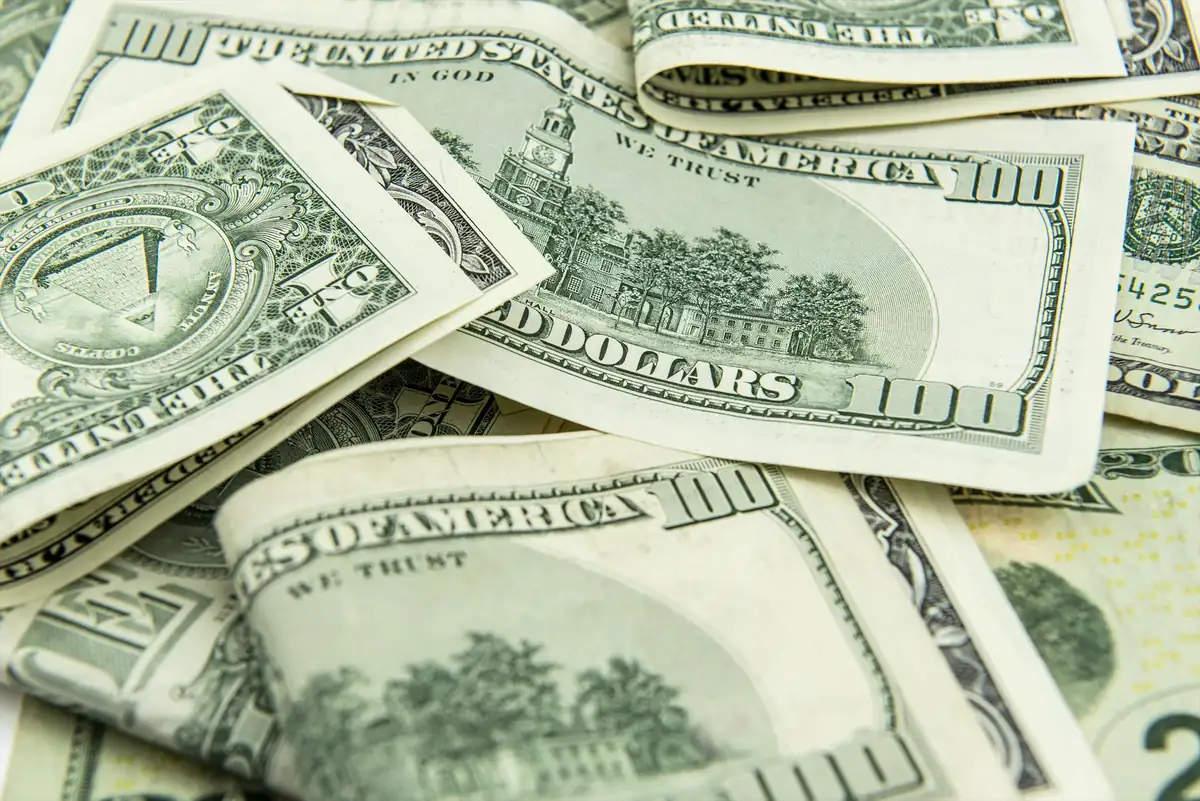
Which problem it addressed
Adopting the dollar removed the risk of further depreciation between the sucre and the dollar because the sucre stopped serving as the main unit.
It also provided a more stable reference for prices and contracts and helped reduce inflation after the initial adjustment.
It did not automatically repair losses from the banking crisis or solve every fiscal and productive problem.
Which tools were lost
A country with its own currency can, within limits:
- Change its monetary-policy interest rate.
- Issue base money.
- Allow its currency to depreciate after an external shock.
- Act as lender of last resort with greater nominal flexibility.
These tools are limited in a dollarized economy. Stability depends more on fiscal discipline, strong banks, liquidity reserves, and inflows of foreign currency.
Dollarization is not a fixed parity
Under a fixed exchange rate, the national currency continues to exist, and the authority promises conversion at a set rate.
Under official dollarization, the foreign currency replaces the national currency as the main unit. There is no everyday sucre-dollar exchange rate because the sucre no longer circulates as legal tender.
Conversion and distributional effects
The 25,000-sucres-per-dollar rate applied to deposits, debts, and prices under the legal framework.
People who held assets in sucres had already experienced a large loss during the earlier depreciation. People who owed dollars faced a growing burden before conversion.
Dollarization is therefore not neutral for every balance sheet. The timing and conversion rate affect how losses and obligations are distributed.
The relationship with Cartonindex
Ecuador shows that a country's currency name does not need to identify a nationally issued currency.
If Cartonindex included Ecuador, the real-currency reference would be the U.S. dollar, although the economy, wages, and prices would be Ecuadorian.
A currency comparison cannot describe the local cost of living by itself. One dollar has the same denomination in the United States and Ecuador, but purchasing power and resident income can differ.