
How banknotes began
A modern banknote is a piece of paper or polymer worth far more than its material. It works only when people trust that others will accept it and the monetary authority will recognize it.
This idea did not appear at once. Banknotes developed from documents that represented coins or metals deposited somewhere else.
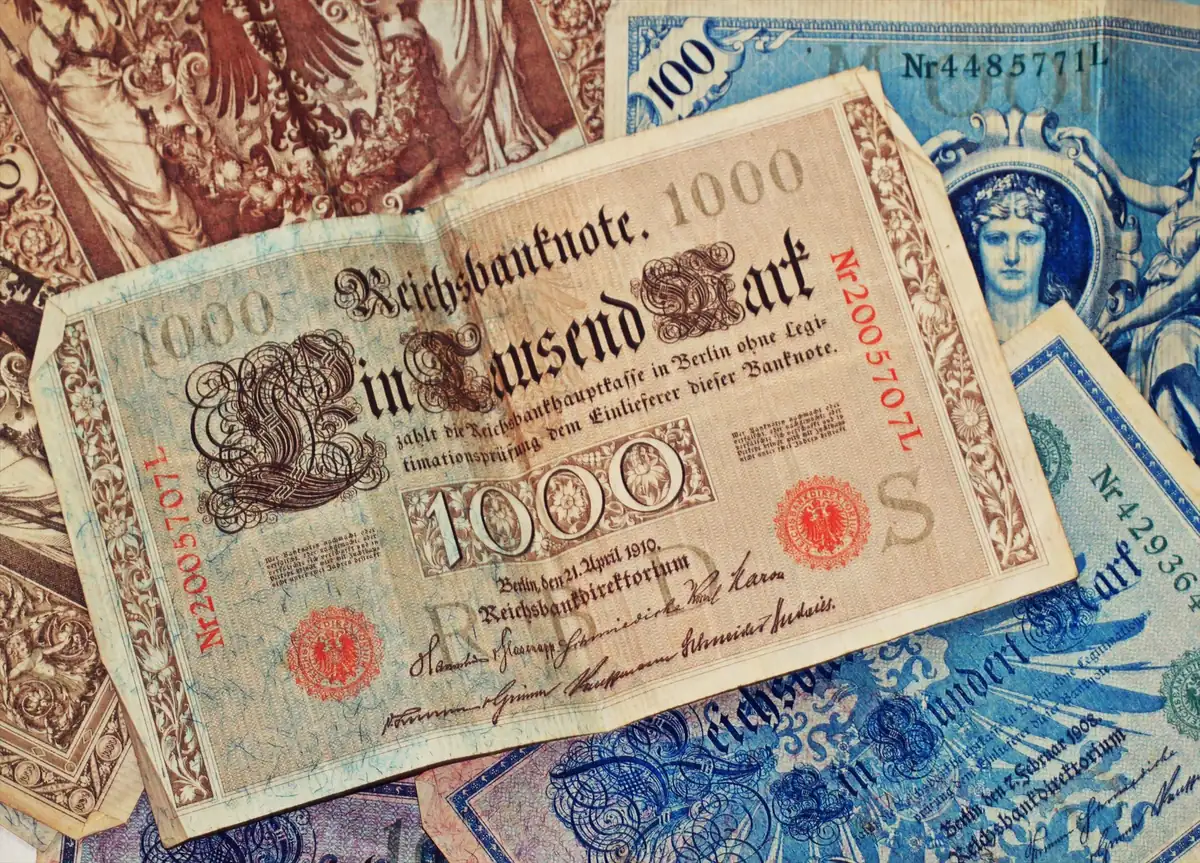
The problem of moving metal money
For centuries, much physical money consisted of gold, silver, copper, or other metal coins. Coins had advantages. They were recognizable, divisible, and, in some systems, partly valuable because of their metal.
They were also heavy. Larger transactions made coins harder to transport, count, and protect.
Merchants and savers began depositing coins with people or institutions that could keep them safe. They received a document that confirmed the deposit. Over time, some receipts began to make payments without the coins being withdrawn first.
The document circulated because its holder expected to convert it back into metal.
From receipt to medium of exchange
The Bank of England explains that British goldsmiths stored gold coins and gave customers receipts. These receipts eventually became a form of money and predecessors of banknotes.
The important change was social as well as technical. A person accepting a receipt needed confidence in three things:
- The issuer existed and held the promised assets.
- The document was genuine.
- Other people would accept it.
As this network of trust expanded, the document became more than private proof of deposit. It began to work as a medium of exchange.
The first European banknotes
Sveriges Riksbank dates Europe's first true banknotes to a 1661 issue by Stockholms Banco. Sweden used large copper coins, some of which were very heavy. A lightweight document had an obvious advantage.
The banknotes succeeded, but the experience also showed the main risk of convertible paper: issuing more promises than could be honored. When the bank could not complete conversions, it lost trust and failed.
The institution that later became Sveriges Riksbank was created in 1668. Its history shows why money issuance gradually moved from many private entities to institutions governed by special rules.
From a named customer to the bearer
Early banknotes did not always resemble modern notes. Some were handwritten, named the beneficiary, and represented nonstandard amounts.
Modern banknotes developed into fixed denominations payable to the bearer. This allowed transfer without recording each new owner.
The traditional phrase “I promise to pay the bearer” preserves this history. A banknote originally promised a quantity of metal money. Under modern fiat systems, it no longer provides a general right to receive gold at face value.
Why central banks came to dominate issuance
At some times, banknotes from different banks circulated together. This could create doubts about each issuer's solvency, discounts between banknotes, and problems identifying counterfeits.
Concentrating issuance in central banks allowed:
- Common denominations.
- Uniform acceptance rules.
- Withdrawal and replacement systems.
- Standardized security features.
- Clear institutional responsibility.
The change did not happen at the same time in every country. Colombia's monetary history includes a period when several private banks issued their own banknotes. That period came before the Banco de la República was created in 1923.
What actually changed
The birth of the banknote separated two elements that had once been linked:
- The object used for payment.
- The asset or authority supporting its acceptance.
A metal coin could have some material value. A banknote depended on a promise, an institution, and a network of users.
This change made money lighter and more scalable. It also made trust a visible part of the system.
The relationship with Cartonindex
Cartonindex compares units with very different physical forms:
- Banknotes and deposits denominated in official currencies.
- Printed banknotes for a board game.
- Virtual balances within a platform.
All can display a number, but those numbers do not come from the same promise. An official banknote is legal-tender money within a monetary system. Monopoly money represents units in a game. Robux and V-Bucks depend on the terms of private services.
Visual similarity does not create legal or economic equivalence.