
The birth of the modern yen
The New Currency Act of 1871 made the yen Japan's official monetary unit. The reform formed part of the institutional modernization that followed the Meiji Restoration.
Before the yen, Japan did not have one simple and uniform monetary structure for the whole country.
A complex system before the reform
During the Edo period, coins circulated with different units, metals, and geographic areas of use. Traditional denominations included the ryō, bu, and shu.
Feudal domains and other local issuers had also circulated banknotes. This variety made conversion, accounting, and trade harder within a state that was becoming centralized.
The opening of international trade added another pressure. Japan needed a unit that could be compared with the monetary systems of other countries.
The New Currency Act of 1871
The new system established:
- The yen as the main unit.
- The sen as one hundredth of a yen.
- The rin as one tenth of a sen.
Decimal division simplified calculation and brought the Japanese system closer to Western monetary models of the period.
The law also initially defined the yen through a quantity of precious metal. Japan later used different metallic arrangements and faced problems caused by changes in the relative prices of gold and silver.
A currency for a centralized state
The birth of the yen was more than a name change. It formed part of building common national institutions:
- A central tax system.
- A modern mint.
- Uniform rules.
- Banknote issuance.
- A central bank.
The Bank of Japan was established in 1882. It began issuing its own banknotes in 1885 and helped unify monetary circulation.
From metal coins to Bank of Japan notes
During the early Meiji period, government notes and banknotes from national banks circulated together. Some lost value against metal coins.
Creating the Bank of Japan allowed issuance to become more centralized and supported a common monetary policy.
This path resembles the experience of other countries that moved from several issuers to one central bank, although each case had different laws and conflicts.
Why one yen has a small nominal value
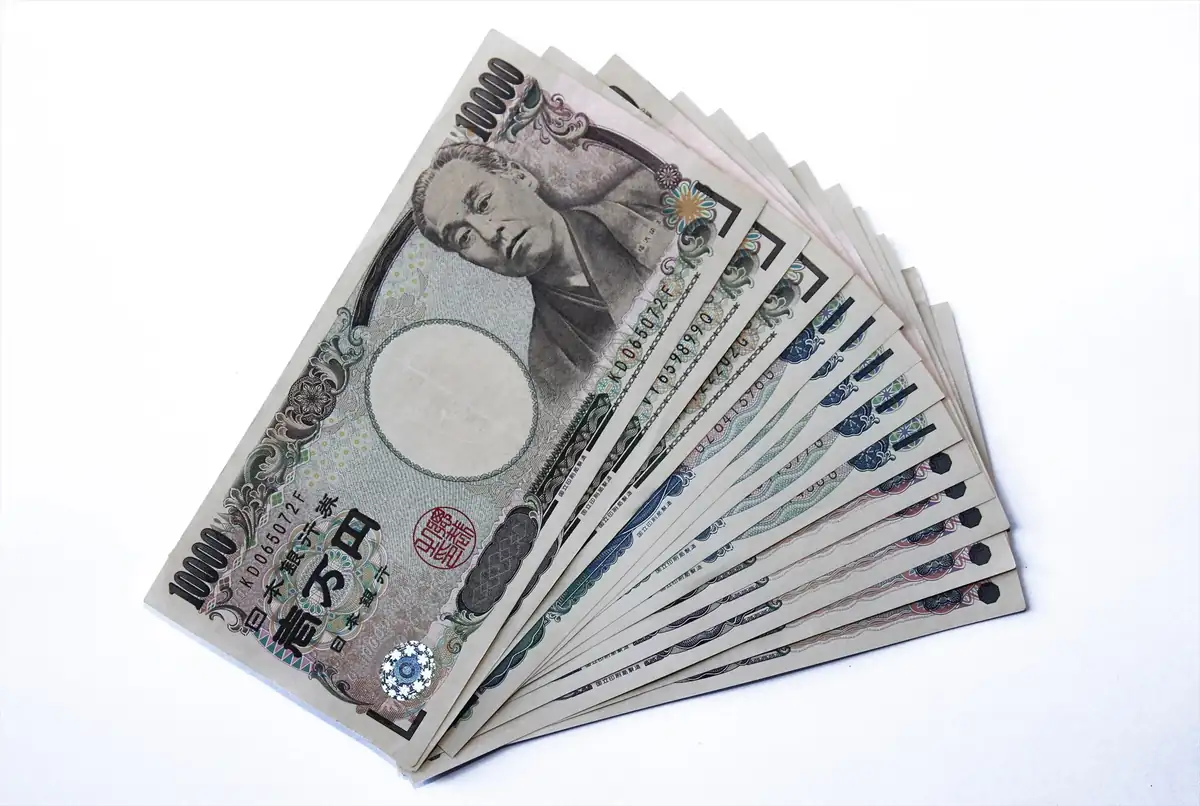
Many modern Japanese prices use hundreds or thousands of yen. The yen normally has no everyday subdivision equivalent to a cent.
This does not mean the currency is inherently weak. Unit size depends on history and accumulated price changes.
A currency can be stable even when its base unit is small. Users need to know how prices, wages, and exchange rates change, not only how many digits appear on one price tag.
The name yen
The Japanese word relates to the idea of a round object, referring to the shape of coins. The spelling “yen” became standard in international romanization.
Its international symbol is ¥, which is also used visually for other currencies with similarly romanized names.
How Cartonindex handles it
Current comparisons use code JPY. They do not need to convert sen or rin, which are historical subdivisions no longer used in everyday payments.
The Japanese yen profile explains the current currency. This page provides the context of its creation and prevents nominal unit size from being treated as a quality measure.